Back to BlogDestination Guide

Butrint: Walking Through 2,500 Years of History

Explore the UNESCO World Heritage Site of Butrint, where Greek, Roman, Byzantine, and Venetian ruins tell the story of civilizations past.

H
Hidden Albania TeamTravel Editorial Team

Based in Tirana, Albania — on-the-ground research and local expertise

8+ years of Albania travel expertise

Albania travel planningBalkan tourismLocal culture and traditions
Published
Updated
5 min read
Southern Albania
Butrint: Walking Through 2,500 Years of History - Hidden Albania travel guide

Set in a beautiful peninsula in southern Albania, Butrint is one of the most important archaeological sites in the Balkans. This ancient city has witnessed the rise and fall of empires, each leaving their mark on its stones.

A Brief History

Founded by Greeks in the 7th century BC, Butrint became a Roman colony, then a Byzantine bishopric, and later a Venetian outpost. Each civilization built upon the remains of the previous, creating a unique timeline of Mediterranean history.

Key Sites to Explore

The Greek Theater

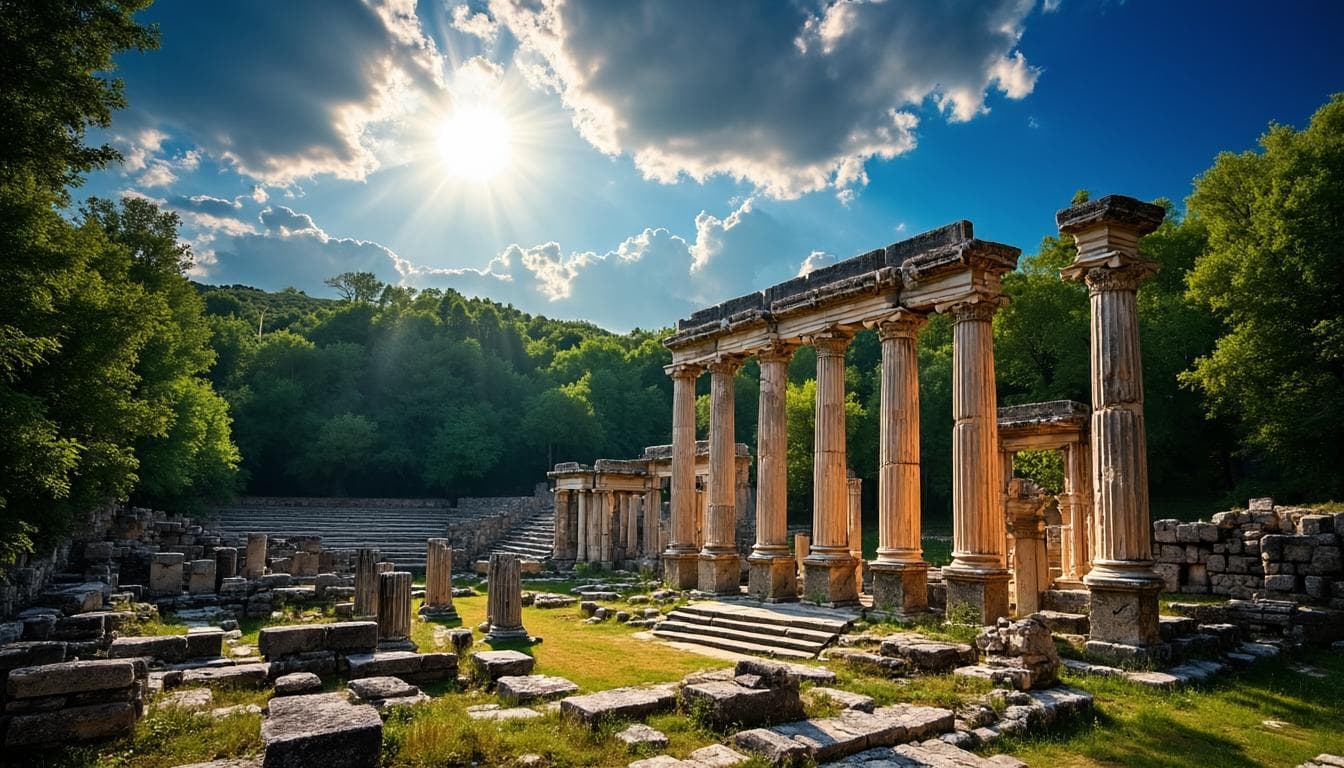
Carved into the hillside in the 3rd century BC, this well-preserved theater could seat 1,500 spectators. Today, it occasionally hosts performances, continuing its ancient purpose.

The Roman Baths

The elaborate floor mosaics of the Roman baths are among the site's highlights. These colorful geometric patterns have survived nearly 2,000 years.

The Baptistery

One of the most beautiful early Christian monuments in the Balkans, the 6th-century baptistery features stunning mosaics depicting animals and geometric designs.

The Venetian Fortress

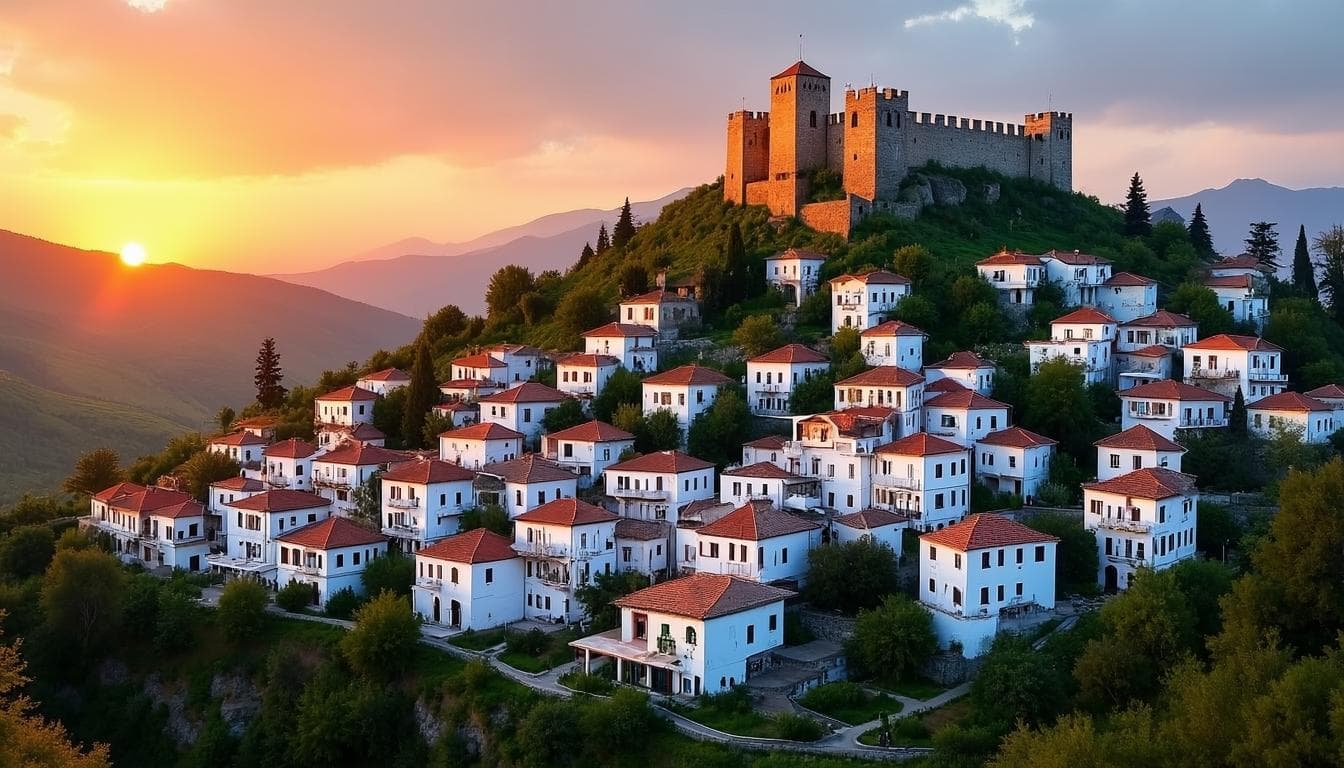
At the top of the hill, this small castle offers panoramic views of the site and the channel to Corfu. The Venetians built it to protect their trade routes.

Nature and History Intertwined

What makes Butrint special is how nature has embraced the ancient ruins. Trees grow among columns, and turtles sun themselves on ancient stones. The site is part of a national park, home to diverse birdlife and wetland ecosystems.

Practical Information

  • Allow 3-4 hours for a full visit
  • Wear comfortable walking shoes
  • Bring water and sun protection in summer
  • Guides are available at the entrance
  • The site is accessible from Saranda (30 min) or Corfu (ferry)
Last updated on

TAGS

UNESCOArchaeologyHistoryAncient
Hidden Albania TeamTravel Editorial Team

Based in Tirana, Albania — on-the-ground research and local expertise

8+ years of Albania travel expertise

Expertise: Albania travel planning, Balkan tourism, Local culture and traditions, Adventure travel, Destination guides

The Hidden Albania editorial team is a group of local travel writers, guides, and destination experts who collectively produce in-depth guides, practical tips, and on-the-ground reporting from across Albania. Our content is based on first-hand experience, regular field visits, and verified local sou

8+ years local expertise5+ min researched guideEditor-reviewed3 languages spoken
Fact-checked by editors
Sources: Lonely Planet, UNESCO, Albania Tourism
Local expert contributors

Editorial Disclosure

This article was written by our editorial team based on local expertise, on-the-ground research, and verified sources including Lonely Planet, UNESCO, and the Albania National Tourism Agency. Prices, availability, and travel conditions may change seasonally. Always verify details before traveling.Full editorial and privacy policy

Hidden Albania, Tirana, Albania
[email protected]About usTerms of service

Ready to Explore Albania?

Book your authentic Albanian experience today and create your own story to tell.